ANIMAL PEST CONTROL & LIVESTOCK MANAGEMENT
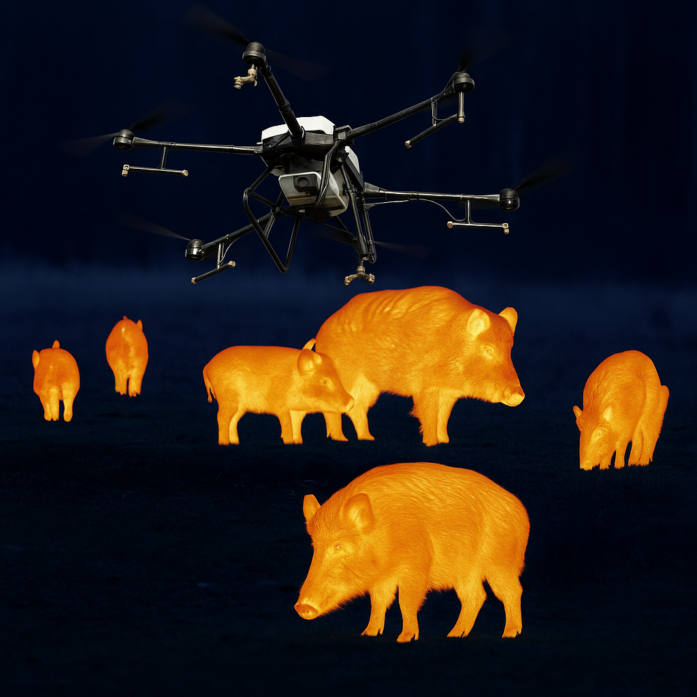
Navigating the complex landscape of invasive species management is like mastering a challenging puzzle – understanding how these organisms interact with their environment forms the key pieces. At North Canterbury Drone Services, we delve deep into tracking the movements and behaviours of invasive species, unlocking targeted interventions that make a real impact. In many areas of New Zealand, where feral cats, wild pigs, and deer wreak havoc, coordinated actions are crucial.
For farmers dealing with animal and bird pest
problems in New Zealand, having a CAA 102 approved drone pilot is highly
valuable, and in many cases, necessary. A Part 102 certification grants a pilot
key exemptions from standard regulations, allowing for specialised pest control
actions that would otherwise be illegal.
By being a CAA102 approved pilot with a night-flying rating, we bring a friendly professionalism to the table, ensuring that farmers protect their properties and conserve native fauna effectively. Tackling the global challenge of invasive species requires strategic knowledge and precise actions, and we're here to make that happen with expertise and dedication.
OUR SERVICES
Key Applications & Benefits
Livestock Monitoring:
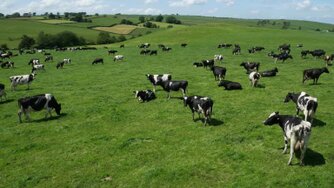
- Drones can identify lost cattle, detect sick or injured animals using thermal sensors, and provide an accurate count of the herd. They can also monitor behaviour to improve breeding programs.
Pasture Management:
- Farmers can analyse grazing patterns and forage utilization from aerial imagery, helping to prevent soil degradation and optimize rotational grazing.
Security & Surveillance:
- Drones act as vigilant sentinels, providing real-time video to identify and deter predators or thieves, thereby safeguarding livestock and reducing the need for manual surveillance.
Infrastructure Inspection:
- Drones can quickly and efficiently inspect fencing, water sources, and other vital infrastructure, saving time and labour compared to traditional ground methods.
Data Collection & Decision Making:
- Drones capture detailed data, including multispectral images and thermal information, which supports informed decisions regarding pasture health, animal welfare, and resource allocation.
Efficiency & Cost Savings:
- By automating tasks and providing rapid assessments of large areas, drones increase operational efficiency, reduce manual labour, and lead to significant cost savings for farmers.
Disaster Response:
- Drones offer real-time information to locate and assess livestock during emergencies, aiding in disaster preparedness and response efforts.
The importance of CAA
102 certification
Under standard Part 101
rules, most drone operations are highly restricted. The CAA 102 certification
provides the flexibility required for effective, modern pest management. Key
privileges a 102-certified pilot holds include:
- Operating large drones: The ability to use aircraft over 25 kg, dhould there be case where spray or bait are required and approved to spread.
- Flying at night: Many pest animals are most active after dark, and a 102 license permits legal nighttime operations for effective surveillance and control.
- Wider range and altitude: A 102 pilot can fly beyond visual line of sight (BVLOS), operate within 4 km of an aerodrome, and fly higher than 120 meters—all with the proper approvals.
How a CAA 102 pilot aids
in pest control
A certified drone pilot
provides farmers with safe, precise, and cost-effective methods for managing
pest issues.
Monitoring and detection
- Early identification: Drones equipped with multispectral or thermal sensors can detect the subtle signs of a pest infestation or plant stress long before they become visible to the human eye.
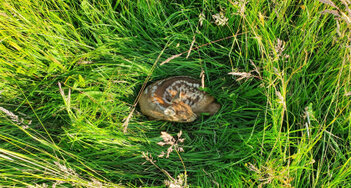
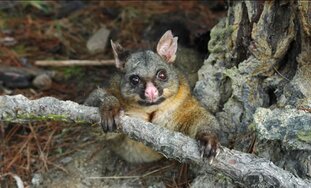
- Targeted scouting: Instead of manually scouting large, often rugged land, drones can quickly cover vast areas and identify specific pest "hotspots." This is particularly useful for locating pests like wild pigs, deer, rabbits, possums or Canadian Geese that can shelter in difficult-to-access terrain.
- Animal tracking: Thermal imaging allows for the tracking of warm-blooded pests, especially at night. While at the same time if you are using a ground shooter we can guided them in on the whereabouts the targeted pests are located. (We have shooters if required)